

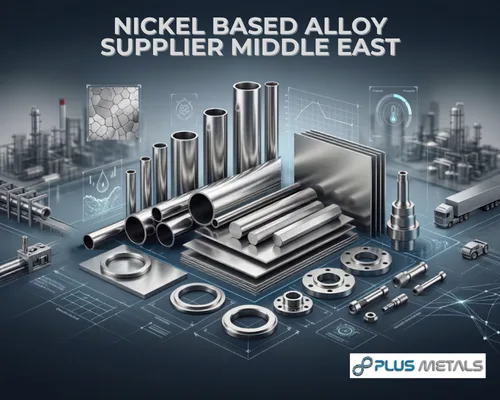
When equipment works under extreme heat, choosing the right material is very important. High temperatures can reduce the strength of common metals and cause oxidation, corrosion, or early failure. This is why industries such as aerospace, power generation, chemical processing, and industrial heating use special nickel-based alloys designed to perform in demanding conditions.
Two well-known options are Haynes 230 alloy and Haynes 188 alloy. Both are made for high-temperature service, but they have different strengths and are better suited to different applications. In this Haynes 230 vs Haynes 188 comparison, we will look at their key features, performance, applications, and differences to help you choose the right alloy for your project.
Plus Metals, a trusted Haynes alloy supplier, supports customers worldwide with global supply and stock availability. For a closer look at Haynes 188, read our Haynes 188 alloy guide.
What Is Haynes 230 Alloy?
Haynes 230 alloy is a nickel-based alloy developed for high-temperature applications where strength, stability, and resistance to oxidation are important. It contains nickel, chromium, tungsten, molybdenum, and other elements that help it perform well in hot and demanding environments.
One of the main benefits of Haynes 230 is its excellent resistance to oxidation at high temperatures. It also offers good strength for long-term use and maintains its performance when exposed to continuous heat.
Another important advantage is its good fabrication and welding characteristics. This makes it suitable for manufacturers who need to form, weld, or machine components before placing them into high-temperature service.
Haynes 230 alloy is commonly used in industrial heating equipment, gas turbine components, heat exchangers, furnace parts, and chemical processing equipment. It is a strong choice when long service life and reliable performance at high temperatures are required.
What Is Haynes 188 Alloy?
Haynes 188 alloy is another high-performance cobalt-based alloy designed for high-temperature service. It is known for its excellent high-temperature strength, oxidation resistance, and ability to handle demanding operating conditions.
Haynes 188 contains cobalt as its main element, along with chromium, nickel, tungsten, and other alloying elements. This combination gives the material a strong balance of heat resistance and mechanical performance.
The alloy is especially valued in aerospace and gas turbine applications. It can maintain good strength at elevated temperatures and is often selected for parts exposed to hot gases and high thermal loads.
Haynes 188 alloy is used for combustion cans, transition ducts, turbine engine components, exhaust parts, and other high-temperature aerospace and industrial components. Its ability to withstand heat and maintain mechanical strength makes it a reliable option for demanding applications.
Haynes 230 vs Haynes 188: Key Differences
The main difference between these two Haynes alloys for high-temperature applications is their base composition and the type of service they are designed to handle.
Haynes 230 is a nickel-based alloy, while Haynes 188 is a cobalt-based alloy. Both offer excellent high-temperature performance, but their exact properties can make one more suitable than the other depending on the application.
Haynes 230 alloy is often preferred when excellent oxidation resistance, long-term stability, and good fabrication properties are important. It is also a popular choice for industrial equipment that operates continuously at high temperatures.
Haynes 188 alloy, on the other hand, is well known for its high-temperature strength and performance in aerospace and gas turbine environments. It is a strong option for components that face high thermal loads and mechanical stress.
The choice between them should not be based only on maximum temperature. Factors such as operating conditions, load, oxidation exposure, fabrication needs, component design, and expected service life should also be considered.
High-Temperature Alloy Comparison
| Feature | Haynes 230 | Haynes 188 |
|---|---|---|
| Alloy Base | Nickel-based | Cobalt-based |
| Main Strength | High-temperature stability and oxidation resistance | High-temperature strength and oxidation resistance |
| High-Temperature Use | Excellent | Excellent |
| Fabrication | Good forming and welding characteristics | Good fabrication performance with suitable procedures |
| Common Industries | Power, chemical, industrial heating, aerospace | Aerospace, gas turbines, industrial high-temperature equipment |
| Typical Applications | Heat exchangers, furnace parts, turbine components | Combustion cans, turbine components, exhaust parts |
| Best For | Long-term high-temperature service and oxidation resistance | High-temperature strength and demanding thermal conditions |
This high-temperature alloy comparison shows that both materials have an important place in modern engineering. The better option depends on the specific requirements of the component.
Which Alloy Should You Choose?
If your application needs excellent oxidation resistance, good long-term stability, and reliable performance in continuous high-temperature environments, Haynes 230 alloy may be the better choice.
If the main requirement is strong mechanical performance at elevated temperatures, especially in aerospace or gas turbine applications, Haynes 188 alloy may be more suitable.
However, material selection should always be based on actual operating conditions. Temperature, pressure, stress, atmosphere, corrosion exposure, component size, and manufacturing method can all affect the final choice.
At Plus Metals, we understand that every project has different material requirements. Our team can help you identify the right high-temperature alloy based on your application and technical needs.
Why Choose Plus Metals?
Plus Metals supports customers looking for high-performance metals and alloys for demanding industrial applications. We focus on providing quality materials with reliable service and global supply support.
Whether you need Haynes 230, Haynes 188, or another nickel-based or cobalt-based high-temperature alloy, our team can help you with material availability and quotation requirements.
Get a Quotation Now & Build the Relationship
Looking for Haynes 230 alloy or Haynes 188 alloy for your next project?
Get a quotation now and build a long-term relationship with Plus Metals.
We support customers with global supply and available stock, helping industries source high-performance materials for demanding applications.
Contact our team today to discuss your requirements, check availability, and request a quotation.
Contact Plus Metals
Plus Metals
Global Supply & Available in Stock
Phone: +91 91673 47029
Email: plusmetals85@gmail.com
Address:
Shop No. 2, Ground Floor, Jai SiddhiVinayak CHS Ltd (Durgadas),
Plot Nos. 13/13 A, Ardeshir Dadi “X” Lane,
C. P. Tank, Mumbai, Maharashtra 400004, India.
FAQs
Q1: What is the main difference between Haynes 230 and Haynes 188?
The main difference is their base material. Haynes 230 is a nickel-based alloy, while Haynes 188 is a cobalt-based alloy. Both are designed for high-temperature applications, but Haynes 230 is often selected for oxidation resistance and long-term high-temperature stability, while Haynes 188 is widely used where high-temperature strength is important.
Q2: Is Haynes 230 suitable for high-temperature applications?
Yes. Haynes 230 alloy is designed for demanding high-temperature environments. It offers excellent oxidation resistance and good strength retention, making it suitable for industrial heating, power generation, chemical processing, aerospace, and other high-temperature applications.
Q3: What is Haynes 188 alloy used for?
Haynes 188 is commonly used in aerospace and gas turbine applications. Typical uses include combustion cans, transition ducts, exhaust components, turbine engine parts, and other components exposed to high temperatures and mechanical loads.
Q4: Which is better, Haynes 230 or Haynes 188?
There is no single answer because the right alloy depends on the application. Haynes 230 may be preferred for excellent oxidation resistance and long-term high-temperature service, while Haynes 188 can be a strong choice for applications that need high-temperature mechanical strength. The operating conditions should be reviewed before selecting the material.
Q5: Where can I buy Haynes 230 and Haynes 188 alloys?
You can contact Plus Metals for Haynes 230 and Haynes 188 alloy requirements. Plus Metals offers global supply support and available stock options. Contact the team at +91 91673 47029 or plusmetals85@gmail.com for availability and quotation details.