

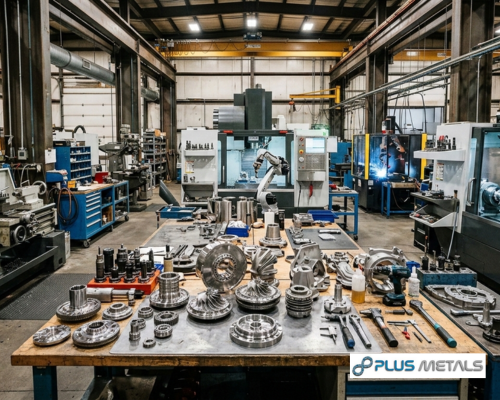
In the world of aerospace engineering, precision is not just a requirement—it is the foundation of safety, performance, and innovation. Aircraft, spacecraft, and satellites operate under extreme conditions, including high temperatures, pressure changes, and intense mechanical stress. Achieving the exact specifications needed for these applications is impossible without using the right materials. This is where precision aerospace specialty metals come into play.
The Role of Precision Aerospace Specialty Metals
Specialty metals are engineered to deliver high performance under demanding conditions. They include nickel-based superalloys, titanium alloys, and other high-performance aerospace metals that maintain structural integrity and reliability at high temperatures and under stress. Choosing the right specialty metals ensures that every component, from turbine blades to fuselage sections, meets stringent aerospace standards.
One of the main advantages of using precision aerospace specialty metals is their ability to provide consistent mechanical properties. This consistency allows aerospace engineers to design lighter, stronger, and more efficient structures. Lighter aircraft components mean lower fuel consumption and improved overall performance.
Aerospace Nickel Alloys: Enhancing Performance
Among specialty metals, aerospace nickel alloys performance is particularly noteworthy. Nickel alloys such as Inconel, Waspaloy, and Rene alloys are widely used in jet engines, rocket propulsion systems, and high-temperature aerospace components. Their high strength, corrosion resistance, and thermal stability make them ideal for parts that operate under extreme heat and stress.
For example, turbine blades in jet engines must withstand temperatures exceeding 1,000°C while maintaining their shape and functionality. Aerospace nickel alloys provide this reliability, ensuring engines run efficiently and safely. These alloys also reduce maintenance requirements, extend component life, and minimize operational downtime, which is critical in aerospace applications where precision and reliability are non-negotiable.
Titanium Alloy Aerospace Applications
Titanium alloys are another cornerstone of modern aerospace engineering. Known for their high strength-to-weight ratio and exceptional corrosion resistance, titanium alloys are used in aircraft frames, landing gear, and engine components. The titanium alloy aerospace applications include everything from commercial airplanes to advanced spacecraft, where lightweight and durable materials are essential for performance and safety.
Titanium alloys also resist fatigue, which is crucial for components subjected to repetitive stress. By incorporating titanium, engineers can reduce the overall weight of an aircraft without compromising strength. This weight reduction directly translates to improved fuel efficiency, longer flight ranges, and lower operational costs.
Explore our titanium alloy products that meet the highest industry standards for aerospace applications, ensuring optimal performance and reliability.
High-Performance Aerospace Metals: The Key to Innovation
The aerospace industry constantly pushes the limits of technology. High-performance aerospace metals enable engineers to innovate while ensuring safety and compliance with international standards. These metals allow for precise machining, heat treatment, and surface finishing, all of which contribute to the accuracy and longevity of aerospace components.
Furthermore, high-performance metals are critical in emerging aerospace technologies such as hypersonic vehicles and space exploration missions. Materials that can handle extreme temperatures, stress, and corrosion are necessary to meet the rigorous demands of these advanced applications.
Partnering with a Specialty Metal Supplier for Aerospace Engineering
Finding a reliable specialty metal supplier for aerospace engineering is essential for aerospace manufacturers. A trusted supplier ensures the availability of certified, high-quality metals that comply with global aerospace standards. Working with a knowledgeable supplier like Plus Metals helps streamline production, maintain consistency, and meet tight project deadlines.
Plus Metals offers a wide range of aerospace-grade specialty metals, including nickel alloys, titanium alloys, and other high-performance materials. Our team provides technical guidance, material certification, and logistical support, ensuring that your aerospace projects achieve the highest level of precision and reliability.
Conclusion
Precision in aerospace engineering depends heavily on the materials used. Precision aerospace specialty metals, aerospace nickel alloys performance, titanium alloy aerospace applications, and high-performance aerospace metals play a pivotal role in ensuring safety, efficiency, and innovation. Partnering with a specialty metal supplier for aerospace engineering like Plus Metals guarantees access to superior materials and expert guidance, helping manufacturers achieve their project goals with confidence.
Contact Plus Metals today to discuss your aerospace material requirements. Our experts are ready to provide custom solutions and certified metals for your next project.
Email: sales@plusmetals.in
Phone: +91 91673 47029
Visit: Plus Metals
Partner with Plus Metals for reliable, high-performance alloy solutions that enhance your aerospace investments and ensure operational excellence in the world's most demanding aerospace environments.
Frequently Asked Questions (FAQ)
Q1: What makes aerospace nickel alloys suitable for high-temperature applications?
Aerospace nickel alloys maintain strength, resist corrosion, and withstand extreme heat, making them ideal for jet engines, turbines, and high-performance components.
Q2: Why are titanium alloys important in aerospace engineering?
Titanium alloys are lightweight, strong, corrosion-resistant, and fatigue-resistant, which makes them perfect for aircraft frames, landing gear, and spacecraft components.
Q3: How can I ensure the specialty metals meet aerospace standards?
Working with a certified specialty metal supplier for aerospace engineering, like Plus Metals, guarantees materials are tested and compliant with international aerospace standards.
Q4: Can Plus Metals supply custom aerospace alloy solutions?
Yes, Plus Metals offers custom alloys, technical support, and material certifications tailored to specific aerospace project requirements.