

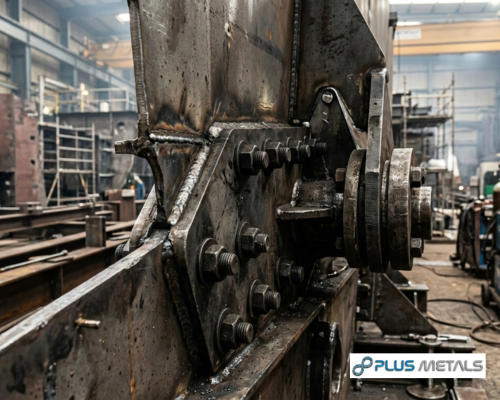
In modern shipbuilding, the reliability and longevity of vessels are critical. Ships operate in extreme marine environments where saltwater, high humidity, and mechanical stress can rapidly degrade ordinary materials. To overcome these challenges, the use of high-performance alloy materials for shipbuilding reliability has become essential. These specialized materials ensure that ship components perform effectively, resist corrosion, and maintain structural integrity over long periods.
Nickel-Based Alloys for Corrosion Resistance
One of the most significant advancements in shipbuilding has been the use of nickel-based alloys corrosion resistance ship components. These alloys are renowned for their ability to withstand harsh saltwater environments and chemical exposure without degrading. Nickel-based alloys, such as Inconel and Monel, provide excellent resistance to oxidation and pitting, making them ideal for engine parts, pumps, and marine exhaust systems.
By incorporating these materials, shipbuilders can significantly reduce maintenance costs and downtime. For international buyers, sourcing nickel-based alloys corrosion resistance ship components from reliable suppliers like Plus Metals ensures consistent quality and adherence to international standards.
High-Strength Alloys for Marine Applications
Marine structures are subjected to continuous mechanical stress, including wave impacts, vibration, and heavy cargo loads. Using high strength alloys for marine applications provides the necessary toughness and durability to withstand these conditions. High-strength steel alloys and advanced nickel-chromium alloys can handle extreme loads without deformation, ensuring the safety and reliability of hull structures, cranes, and deck fittings.
These alloys are not only strong but also fatigue-resistant, meaning they maintain their mechanical properties over time. For shipbuilders aiming to meet international quality standards, sourcing high strength alloys for marine applications from a trusted supplier ensures that every component meets stringent performance criteria.
Titanium Alloys for Shipbuilding Durability
Another breakthrough in marine engineering is the application of titanium alloy shipbuilding durability. Titanium alloys are lightweight yet exceptionally strong and resistant to corrosion, particularly in seawater environments. This combination makes them ideal for critical components like propeller shafts, hull reinforcements, and fasteners.
By using titanium alloy shipbuilding durability, shipbuilders can reduce overall vessel weight, improving fuel efficiency and performance. Moreover, titanium's long lifespan reduces replacement costs, adding significant value to both commercial and naval vessels.
Stainless Steel and Alloy Components for Reliability
Stainless steel remains a cornerstone material in shipbuilding due to its excellent combination of strength, corrosion resistance, and versatility. Stainless steel and alloy ship components reliability ensure that fittings, piping, and structural supports perform flawlessly over years of exposure to harsh marine conditions.
Plus Metals supplies a wide range of stainless steel and alloy options that meet international shipbuilding standards. These materials are rigorously tested to ensure stainless steel and alloy ship components reliability, giving international buyers confidence in the longevity and performance of their vessels.
Why Choose Alloy Materials for Shipbuilding
The integration of high-quality alloys in shipbuilding offers several key benefits:
- Enhanced Corrosion Resistance: Alloy materials like nickel-based and titanium alloys protect against seawater corrosion, extending the service life of components.
- Increased Mechanical Strength: High-strength alloys ensure structural integrity even under heavy loads and extreme conditions.
- Reduced Maintenance Costs: Durable alloys lower the frequency of repairs and replacements, saving money in the long term.
- Compliance with International Standards: Sourcing from reputed suppliers ensures materials meet ISO and ASTM standards, essential for international shipping operations.
For shipbuilders, using alloy materials for shipbuilding reliability is no longer optional—it is a necessity to meet modern performance demands and global shipping regulations.
Call to Action
For international buyers looking to enhance shipbuilding reliability, Plus Metals offers premium alloy materials for shipbuilding reliability, including nickel-based alloys corrosion resistance ship components, high strength alloys for marine applications, and titanium alloy shipbuilding durability.
Email: sales@plusmetalsalloys.com
Phone: +91 91673 47029
Website: Plus Metals
Secure the most reliable alloys for your shipbuilding projects today and ensure long-lasting performance for every vessel you build.
Frequently Asked Questions (FAQ)
Q1: What are the best alloys for shipbuilding in marine environments?
Nickel-based alloys, titanium alloys, high-strength steel, and stainless steel are widely used due to their corrosion resistance and durability in seawater conditions.
Q2: How do nickel-based alloys improve ship component reliability?
Nickel-based alloys resist corrosion, oxidation, and pitting, which reduces maintenance costs and prolongs the lifespan of critical components.
Q3: Can titanium alloys be used for large ship components?
Yes, titanium alloys are lightweight and strong, making them suitable for structural components, propeller shafts, and fasteners in modern ships.
Q4: Why is stainless steel still relevant in shipbuilding?
Stainless steel offers a balance of strength, corrosion resistance, and affordability, making it ideal for fittings, piping, and structural supports.
Q5: Where can international buyers source reliable alloy materials for shipbuilding?
Trusted suppliers like Plus Metals in India provide a comprehensive range of alloys, including nickel-based, titanium, and stainless steel, meeting global quality standards.